Poison Ivy Removal in Honolulu, HI
Poison ivy removal services are designed to safely eliminate this common and potentially harmful plant from residential properties. These services typically cover a range of projects, including clearing overgrown areas, removing poison ivy from trees, fences, and landscaping, as well as preventing future growth. Property owners often request this service to maintain safe outdoor spaces, protect children and pets from contact, and improve the overall appearance of their yard or garden.
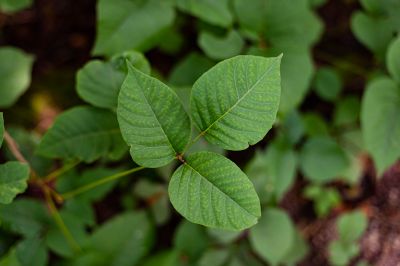
Before requesting poison ivy removal, property owners should understand the extent of the infestation and whether the plant is growing on the ground, on structures, or on trees. It is also helpful to know if there are nearby plants or landscaping that could be affected by the removal process. Proper identification of poison ivy is essential to ensure the correct treatment, and owners should consider the best timing for removal to prevent regrowth. Clarifying these details can help ensure the project is completed effectively and safely.
Many property owners in Honolulu, HI look into Poison Ivy Removal for repairs, replacements, upgrades, and appearance-related improvements.
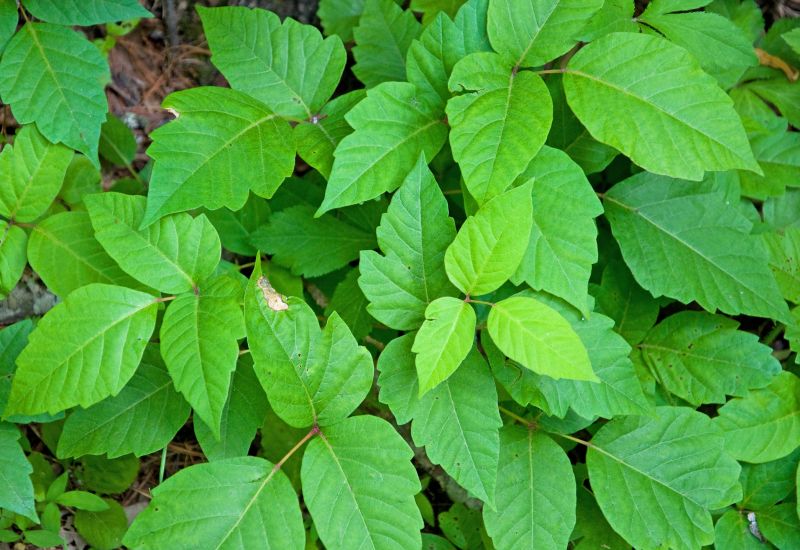
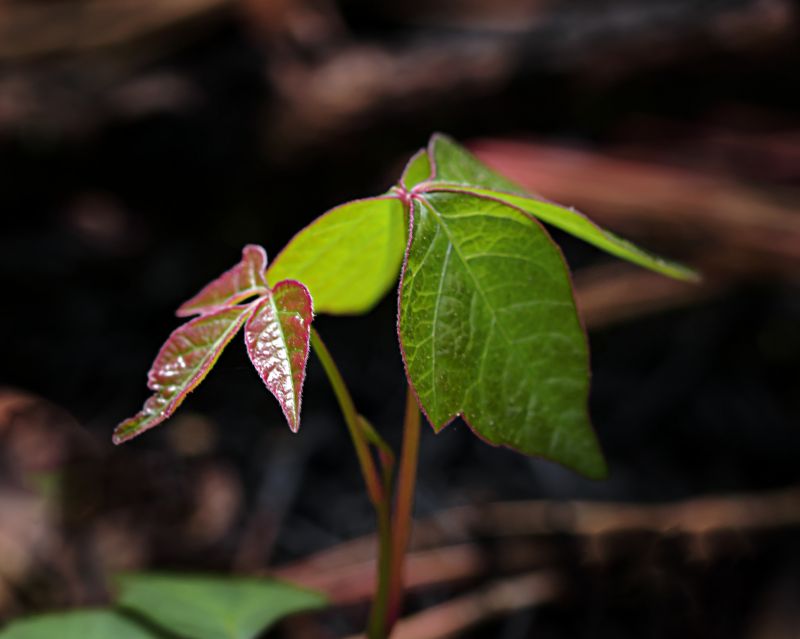
Identifying Poison Ivy
Learn how to recognize poison ivy and prevent skin irritation on your property.
Safe Removal Techniques
Professional removal ensures the plant is safely eradicated without damaging surrounding landscaping.
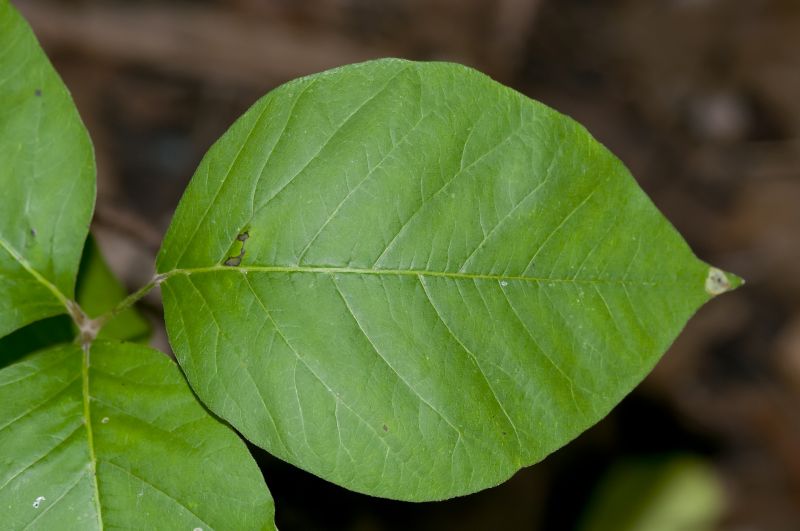
Property Maintenance Tips
Regular inspections help keep poison ivy from spreading and protect your outdoor spaces in honolulu, hi.
Poison Ivy Removal in Honolulu, HI
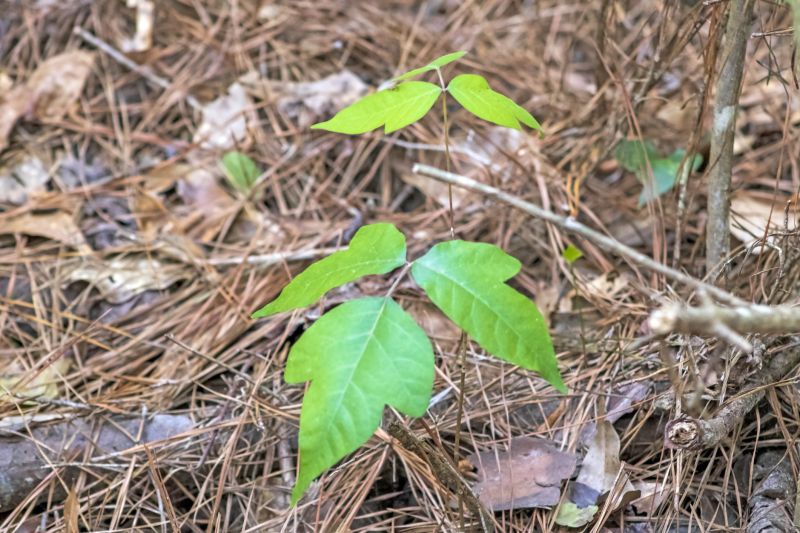
Poison ivy removal services are designed to safely eliminate this common and potentially harmful plant from residential properties. These services typically cover a range of projects, including clearing overgrown areas, removing poison ivy from trees, fences, and landscaping, as well as preventing future growth. Property owners often request this service to maintain safe outdoor spaces, protect children and pets from contact, and improve the overall appearance of their yard or garden.
Before requesting poison ivy removal, property owners should understand the extent of the infestation and whether the plant is growing on the ground, on structures, or on trees. It is also helpful to know if there are nearby plants or landscaping that could be affected by the removal process. Proper identification of poison ivy is essential to ensure the correct treatment, and owners should consider the best timing for removal to prevent regrowth. Clarifying these details can help ensure the project is completed effectively and safely.
Many property owners in Honolulu, HI look into Poison Ivy Removal for repairs, replacements, upgrades, and appearance-related improvements.
Common Poison Ivy Removal Jobs
Poison Ivy Removal - safe and effective removal of poison ivy from residential properties.
Yard Clearing - removal of poison ivy from lawns, gardens, and landscape beds.
Fence Line Clearing - elimination of poison ivy along property boundaries and fencing.
Tree and Shrub Treatment - targeted removal of poison ivy growing on or near trees and shrubs.
Property Maintenance - ongoing removal to prevent poison ivy from spreading or regrowing.
Hazardous Plant Removal - safe disposal of poison ivy to protect household members and pets.
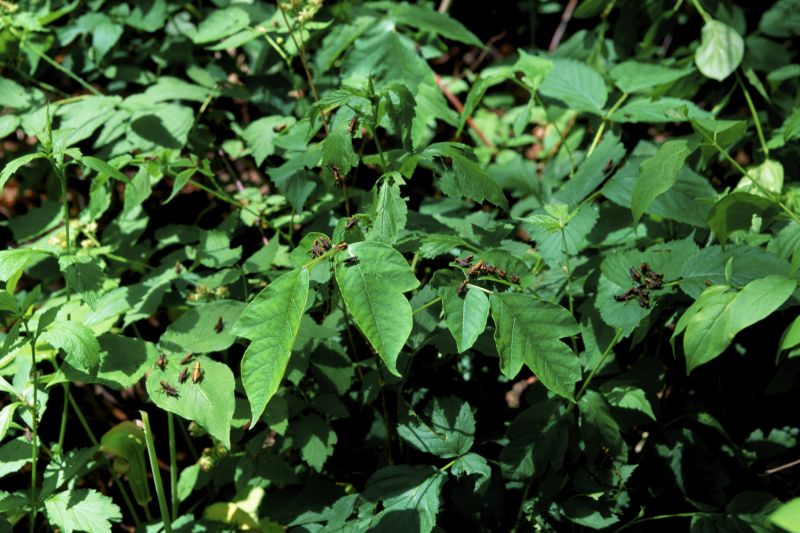
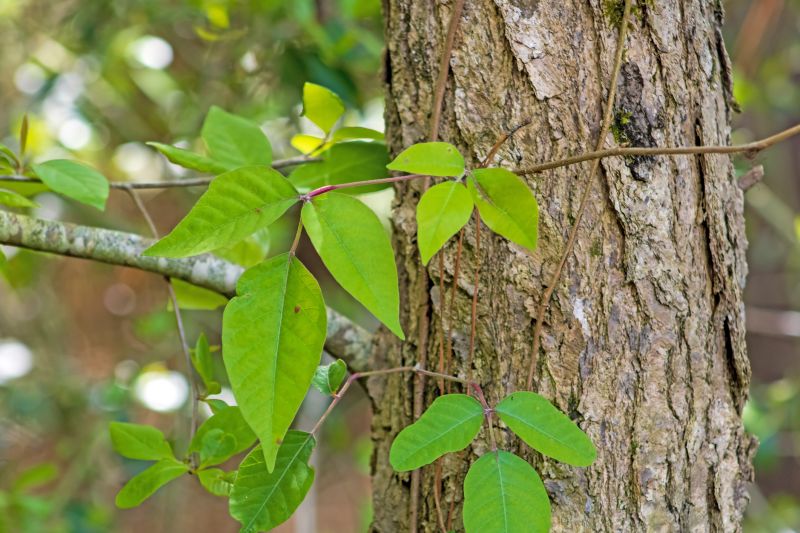
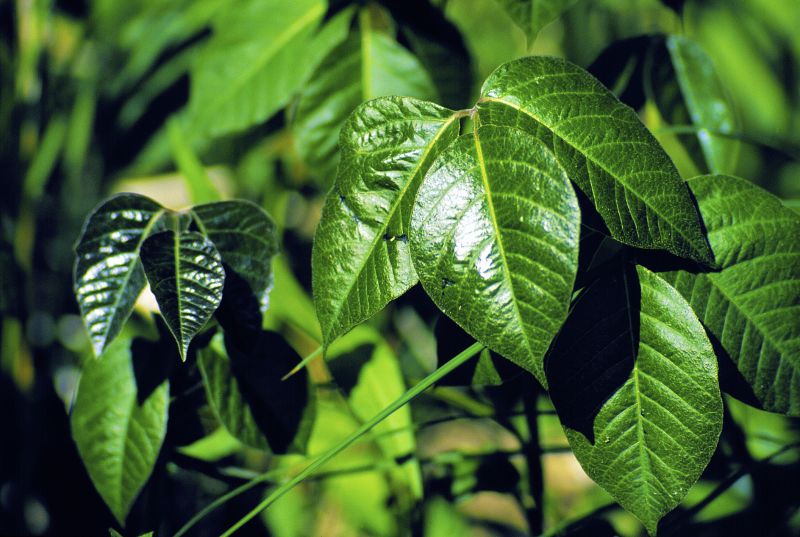
Poison Ivy Removal Questions
What is poison ivy removal? Poison ivy removal involves safely eliminating the plant from a property to prevent skin irritation and environmental spread.
When should poison ivy be removed? Removal is recommended when the plant is in high-traffic areas, near children or pets, or when it shows signs of spreading.
Does poison ivy removal require special equipment? Yes, specialized tools and protective gear are used to safely remove and dispose of the plant.
What types of properties benefit from poison ivy removal? Homes, commercial properties, and public spaces with visible poison ivy growth can benefit from removal services.
Request Poison Ivy Removal in Honolulu, HI
Use the quote form on this page to share the basics of your project and request more information for the type of work you need.